
The skin is closed. To anyone else, the battle looks won. The VAC pump is finally off, and there is a natural temptation to think you can finally jump straight back into normal life.
But anyone who has ever survived a deep pressure ulcer knows the terrifying truth: closed skin does not mean fully healed tissue. Even though you are still wearing a dressing to protect it, that external closure is only the very beginning.
Underneath that deceptively smooth surface, a fragile war is still being waged. The new tissue is thin, delicate, and poorly anchored. It doesn’t have the strength of your original skin yet. It takes months for that deep matrix to rebuild its resilience. If you rush back into your old routine, sitting or lying down for hours without a care, that new skin will split open in a heartbeat.
Because of this, life doesn’t just go back to normal. Instead, life gets broken down into pieces.

Spinal Cord Injury, Cycles, and the Monkey Mind
Every single day is a constant battle just to get up, and a battle to convince yourself that things are actually going to be alright. When you finalise your routine and get out of bed, your body starts sending signals. You can feel things firing underneath the surface. You feel strange twinges, prickles, and areas that feel just a bit uncomfortable.
As a woman, this battle becomes even more complicated around my menstrual cycle. During that time of the month, everything intensifies. The physical pain gets worse, the discomfort increases, and the overthinking hits an all-time high.
Living with a T5 spinal cord injury means the internal wiring is already damaged and altered. When the hormonal shifts of a period hit, the communication between my body and my brain gets completely confused. The signals get tangled. A normal menstrual cramp or nerve twinge can feel exactly like a deep tissue breakdown, sending the “monkey mind” straight into full panic mode.
Your brain interprets every tiny physical sensation as a sign of disaster. Is it reopening? Is a new ulcer forming? Did I sit too long?
When that happens, I have to consciously stop the spiral. It’s about breathing into the discomfort, calming the monkey mind, and being incredibly gentle and kind with myself in the exact moment it’s happening. I have to use that breath to anchor me, slowing things down to bring myself back to a state of balance.
Knowing When to Pull the Plug
Sometimes, despite all the breathing and calming, that little niggle just won’t go away. It stays there, throbbing or aching, until you make the frustrating but necessary choice: you’re going back to bed. You have to pull the plug on your day, lie back down, and remove the pressure because you know exactly how fragile things are. You know that if you push it, things could break down all over again.
Going back to bed feels like a defeat, but it’s actually a vital strategy. It takes an immense amount of mental energy to stop the anxiety spiral—to stay strong in your mind so your body can continue to heal. You have to breathe through the fear and constantly tell yourself that this is a long, arduous, and painfully slow process.
It is completely okay to have downtime. It is going to be okay to even have some days where you have to lay down completely. You absolutely need to listen to your body and make sure that you give it that space, because healing is the most important part of this entire process. Nothing else matters more than giving your tissue the time it needs to rebuild.
Doing Everything Right (and Handling the Hiccups)
You do absolutely everything in your power to control the outcome. You focus on eating the right foods to fuel cellular repair. You make sure you are drinking enough water to keep the tissue hydrated. You follow every single rule and do all the right things to ensure that your body stays as strong as possible from the inside out.
And yet, even when you do everything perfectly, you know there will be hiccups.
An unexpected twinge, a day where your body just feels completely exhausted, or a sudden setback can catch you off guard. Some days are undeniably tougher than others. But in those dark moments, it is so incredibly important to look for the good things and to remember just how well you have done.
You have to give yourself grace. Take a moment to congratulate yourself on exactly how far you have come. Give yourself a break—remember that you are enforcing these strict boundaries because you need your body to heal, not because you are failing.

Through it all, the most critical tool you have is your mind. It is so important to try and stay strong, to hold onto belief and deep self-belief. You have to maintain faith in your body’s incredible, innate ability to repair itself. Healing isn’t a straight line. Someday that work will go perfectly, and you’ll feel like you’re making massive strides. Someday, not so much—and those hiccup days have to be okay too.
Living Life on a Clock
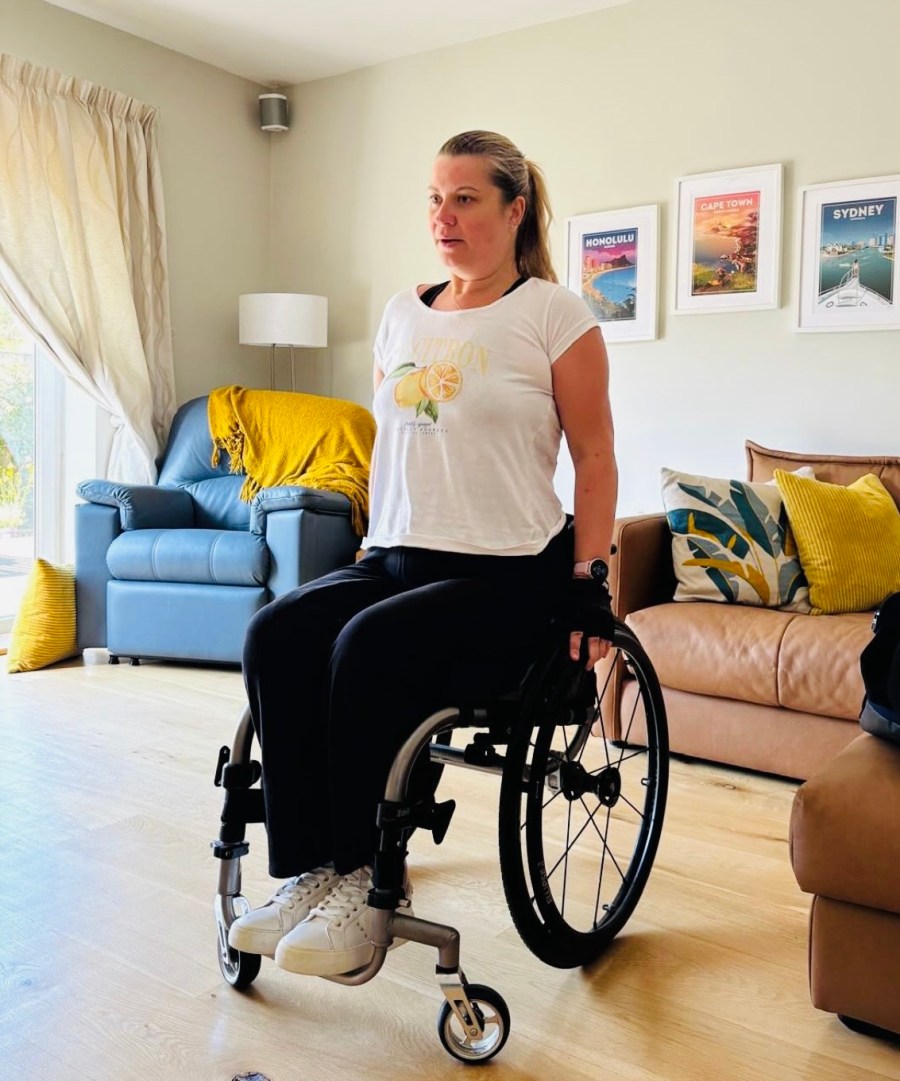
Because of that vulnerability, your days remain rigidly segmented into strict slots of pressure relief. When you are up, you are on a clock. It is a constant rhythm: a few hours up, a few hours down. Even during those precious hours when you are sat up, you cannot truly relax.
You are constantly shifting every 20 minutes, micro-adjusting your weight from side to side to ensure you do not stay in one single position for too long. More than that, you have to do a full pressure relief every single hour for at least two minutes, completely lifting or leaning to clear the area.
The physical wound might be closed and the VAC therapy finished, but the mental torment and the struggles are far from over. The anxiety of a relapse casts a long shadow over everything you do.

If you are in this stage right now, please hear this: take it steady. Take it incredibly easy. If you have to go back to bed because of a niggle, don’t view it as a step backward—view it as protecting your progress. This phase of the journey requires a different kind of endurance. It takes real mental fortitude to live life in small, structured fragments, to find peace in the “down” hours, and to keep believing in your body even on the days it feels impossibly fragile. You are rebuilding from the inside out, and that takes time.

