
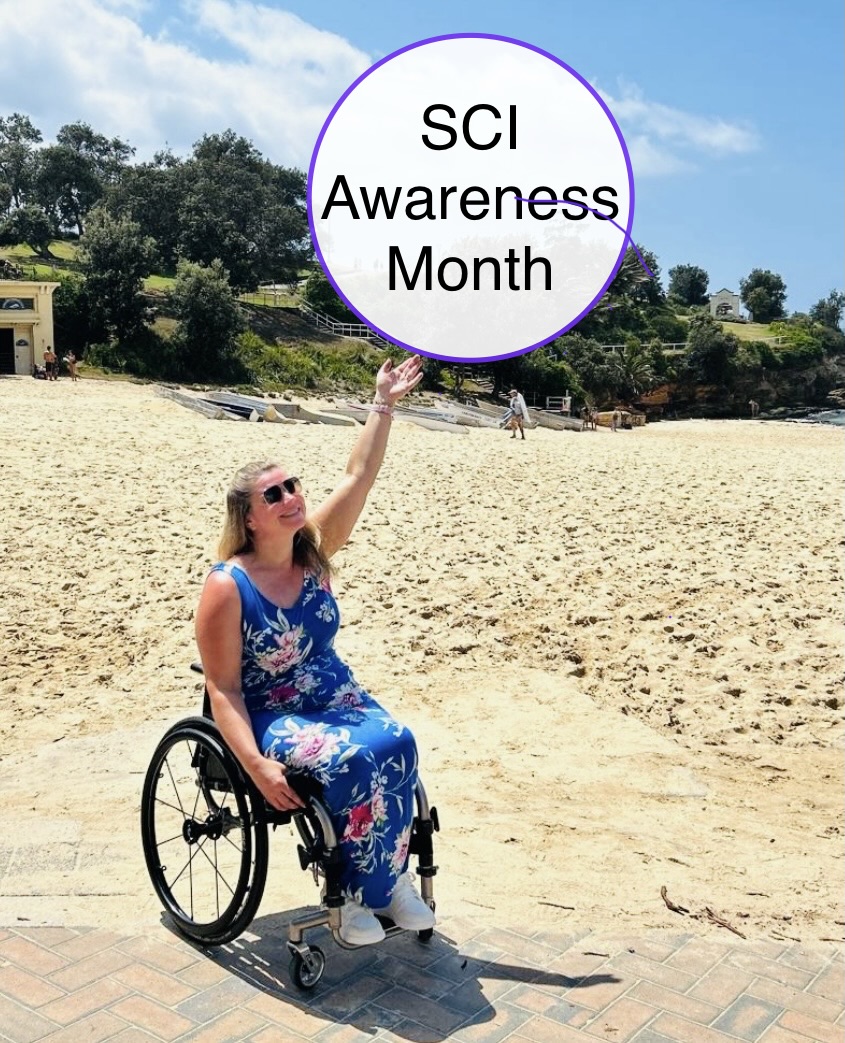
September is Spinal Cord Injury Awareness Month. Since 2007, a rare neurological illness called neuro mystica has left me paralysed from the T5 level and visually impaired. But numbers and medical charts only tell a tiny fraction of the story.
To me, disability is the exhausting mental battle of having a mind that wants to do everything, while constantly navigating a body with strict physical limits.
The Hidden Work of the Body
What people see from the outside is a wheelchair. What they don’t see is the heavy, invisible toll of living with a re-wired central nervous system:
- Deep Nerve Fatigue: Because the brain can no longer automatically communicate with the lower half of the body, it has to work overtime just to manage basic regulation, burning massive amounts of energy before the day even begins.
- The Fire of Neuropathic Pain: Nerve pain isn’t a normal ache—it is a chaotic misfiring of damaged signals that leaves the brain misinterpreting sensory gaps as burning, stabbing, or electric shocks.
- The Morning Routine: Frustrating catheter issues and time-consuming bowel routines completely dictate my mornings, setting a rigid pace long before I can step out the door.
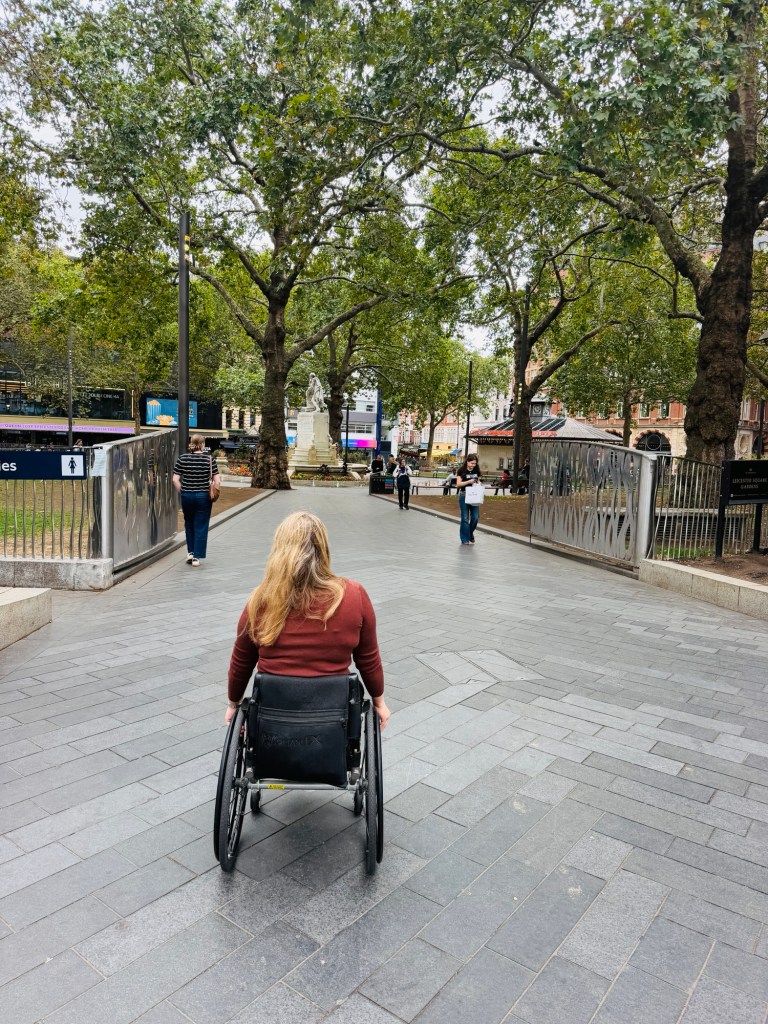
- Fighting the Environment: Leaving the house means battling a world full of physical barriers—from broken lifts to missing ramps.
Bringing Balance u
To navigate the friction of this reality, I have learned how vital it is to intentionally reset my body. When I lean into grounding practices, they act like a manual override button to bring my body back into balance, helping to relax my nervous system, quiet frantic neural misfires, and create the inner space I need to truly see the good in every day.
Meditation resets the chaotic mind. It regulates the nervous system by activating parasympathetic calm, rewires pain perception so the brain learns to observe sensations without escalating panic, and builds the vital mental pause needed between a frustrating obstacle and my reaction to it.
Qigong restores alignment and energy flow. By combining gentle, mindful movement with breathing, it improves blood circulation above the injury level to ease upper-body stiffness, calms nerve hyper-reactivity, and centers core energy so I feel more grounded in my chair.
Breathwork offers a direct dial to physical calm. Deliberate, deep breathing communicates safety to an accelerated heart rate, boosts oxygen to combat deep nerve fatigue and brain fog, and gently supports internal organs and digestion through physical tension release.
Gratitude helps filter out the noise. It does not ignore the hard parts of disability, but it trains the brain to scan for comfort and beauty, floods the system with feel-good neurotransmitters that act as natural painkillers, and validates the hard-fought victories of my unstoppable days.
Thanks to those tools—and the incredible circle of people who are willing to sit with me in the messy moments—I still find immense joy and power in the days when I feel unstoppable.
Owning My Light
Spinal cord injury can be hard, but it’s about learning to love the body that you are in. It has shown me my strength, my power, and taught me to be resilient. I won’t dim my shine.
I’m taking this journey one single day at a time, honouring whatever version of my body shows up each morning. Give yourself a break. Perfection isn’t what’s needed—time and patience are.
To anyone else riding the same rollercoaster: your down days are valid, your up days are a victory, and you are never alone in the messy parts. 🤍

