
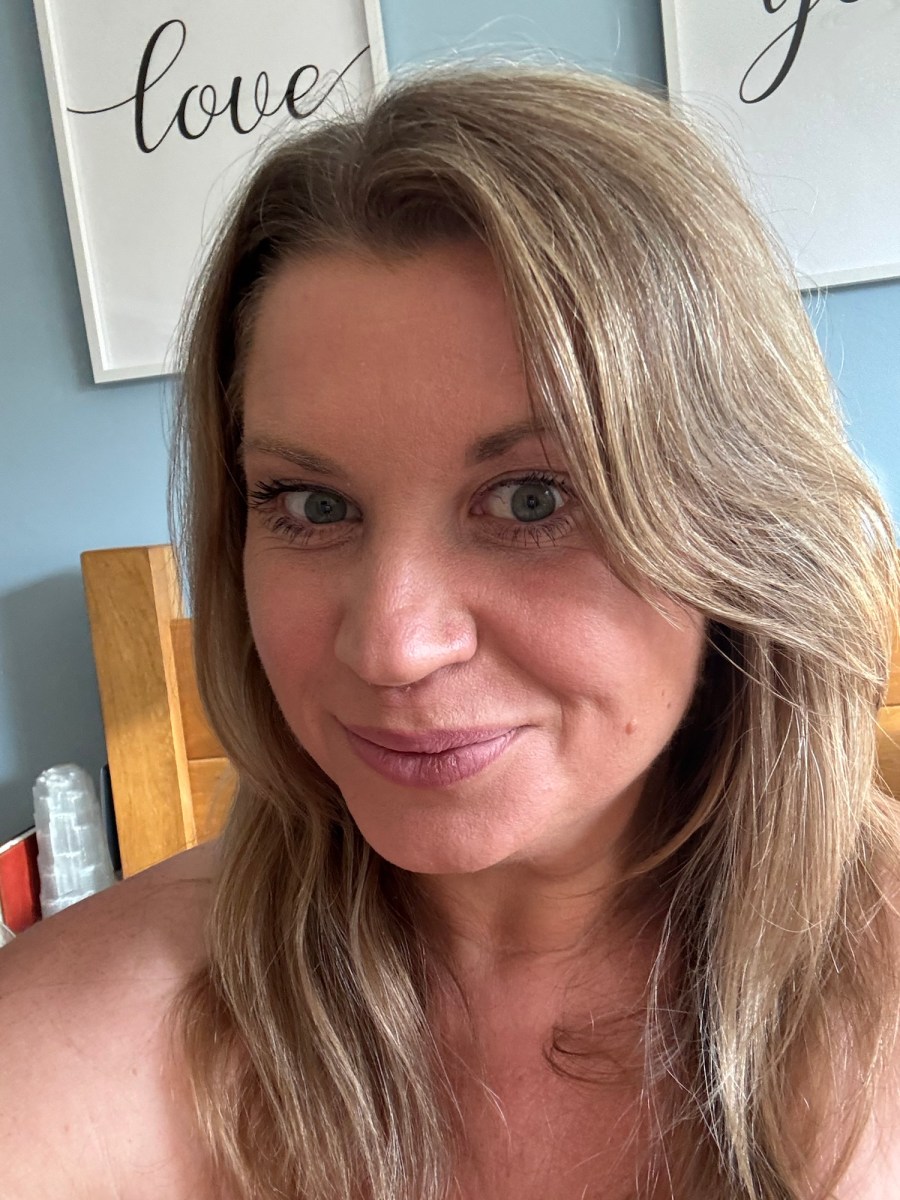
Starting over is a skill you learn when life changes in a single second. My first restart began in a hospital bed in 2007, following a diagnosis of a rare illness called Neuromyelitis Optica (NMO), which caused my spinal cord injury, paralysis, and visual impairment.
At the time, I thought that was the only time I would have to rebuild my world. I thought recovery would be a straight line, a single climb from the depths of that hospital room back to the light.
I was wrong.
Over nearly two decades, I have faced numerous challenges, medical setbacks, and unexpected hiccups in the road. I have had to sit at the bottom of the mountain, looking up at a steep, exhausting climb, more times than I care to count.
But looking back at those mountains today, I realise something profound: I wouldn’t be who I am without the challenges I have faced. I am stronger. I know who I am. And I know that I love myself enough to rise to meet the challenge each and every time.
The Ultimate Act of Self-Love
I used to think that having to start over was a sign of weakness. I thought it meant I wasn’t strong enough to hold my life together.
But after numerous resets, I finally see the truth. Starting over is not a failure. It is the ultimate act of self-love.
Through my struggles, I have had to really lean into love and self-love to ensure that I find myself each and every time.
When health setbacks or sheer exhaustion break your routine, it takes deep self-compassion to change a broken situation and decide you deserve a future.
Loving yourself through a restart means practising radical grace. It means dropping the strict timelines, celebrating micro-wins, and separating your personal worth from your physical function. Your value as a person never changes, even when your physical abilities do.
Sometimes, that process of finding yourself again brings a beautiful surprise. You don’t just put the old pieces back together; you discover an even new, bigger, better, and brighter version of who you were before.
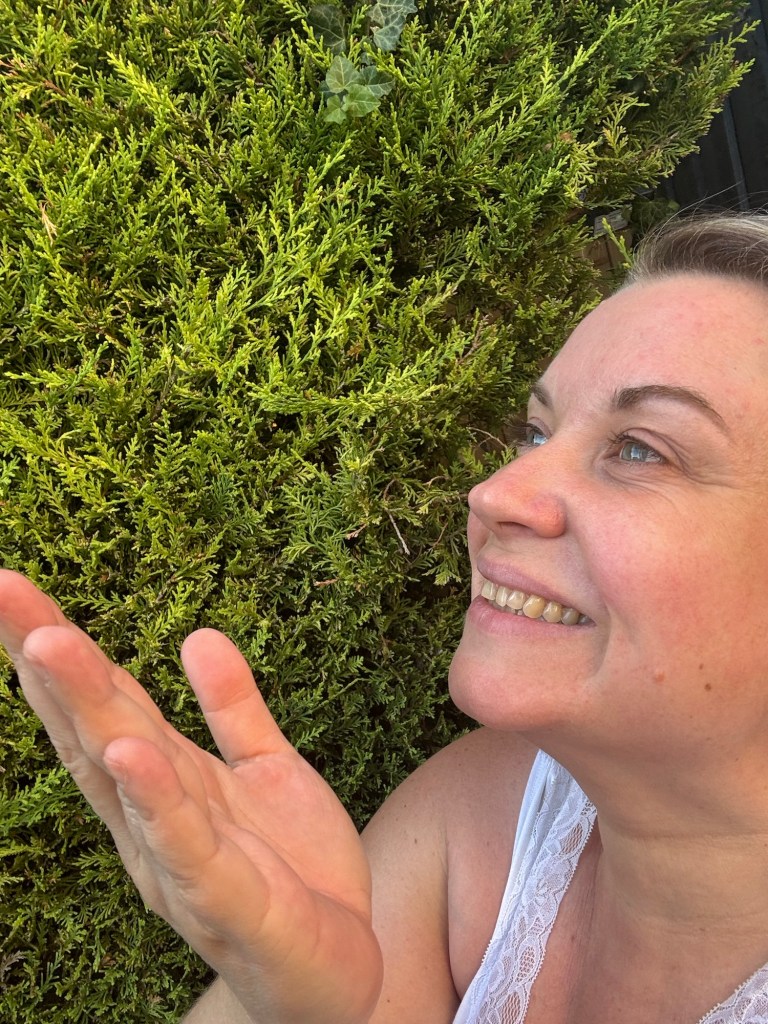
Healing is Not Linear
If there is one absolute truth I have learned on this journey, it is this: healing and health are not linear.
Society loves stories where someone gets sick, fights hard, gets better, and stays better. But the reality of living with a chronic, rare condition like NMO is completely different. It is full of loops, sudden drops, and unexpected plateaus.
The real growth doesn’t happen in a massive, dramatic leap. The growth comes in the gradual, everyday choices.
It is found in the quiet mornings when you choose to do your breathwork despite feeling stiff. It is found when you choose to find one small thing to be grateful for when your vision or your body is having a bad day. True health isn’t a flawless destination; it is the resilience you build in the gradual, day-to-day process of looking after yourself.
Shifting from Standing to Pushing
When you are able-bodied, you imagine yourself standing at the base of a challenge, ready to run. But living with paralysis means my reality is different. When a setback hits, I am sitting at the bottom of the mountain, looking up!!!
Looking up from a seated position makes the peak look even higher. It means I cannot just rely on momentum or gravity to help me up. I have to physically and mentally push each and everyday.
Every single inch of progress requires manual effort, determination, and sheer upper-body and inner strength. Pushing forward is slower. It is harder on the joints and heavier on the spirit. But when you are at the bottom, you have two choices: stay parked in the valley, or engage your wheels, look at the slope, and start to push. I choose to push.
One Day at a Time
The honest truth is that disability can be an absolute struggle. There are good days, and there are bad days.
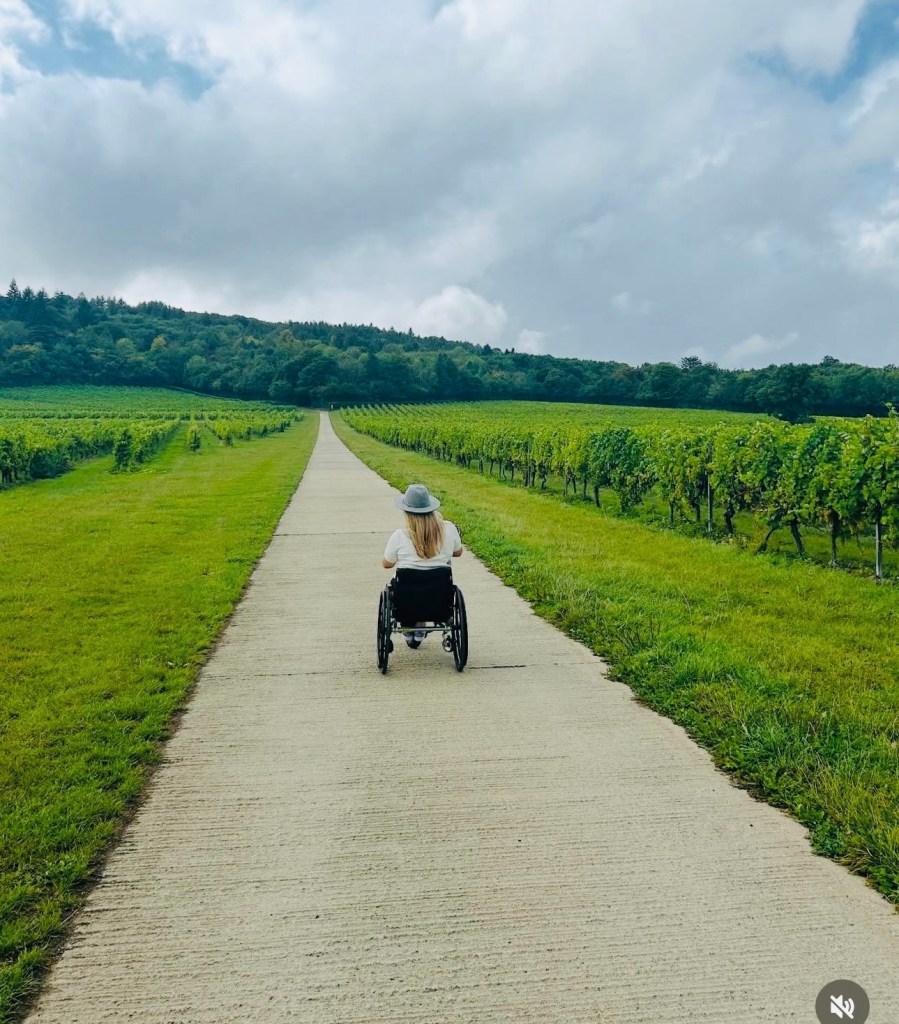
When you live with a spinal cord injury and visual impairment, no two days look exactly the same. On the bad days, when the body refuses to cooperate or the mental weight feels crushing, just getting through the hours is a victory. On the good days, things click, energy returns, and the summit feels within reach.
The only way to survive both is to take them exactly as they come: one single day at a time.
Taking life one day at a time isn’t about lowering your ambitions; it is about protecting your peace. A bad Tuesday does not guarantee a bad Wednesday. Every sunrise is a brand-new chance to reset, allow your body to heal, and start fresh.
Packing the Survival Kit
You cannot control when a storm hits, but you can control what you pack to get through it. To physically and mentally navigate the toughest days, I rely on a personal self-care toolkit. My non-negotiable tools are:
- Meditation: My anchor. It allows me to step back, quiet the noise, and find a pocket of stillness when pain flares up.
- Qigong and Breathwork: How I move energy through my body. Deep, intentional breathing relaxes my nervous system and releases the physical tension that limitations build up.
- Gratitude: My ultimate perspective shift. Even on the days when my body feels like a battleground, I actively lean into gratitude. It doesn’t erase the struggle, but it reminds me that beauty still exists alongside it.
By breathing through the blockages and focusing on the good, the climb becomes manageable again.
Building a Greater Mindset
When you are rebuilding your life, giant victories are rare. If you only celebrate the massive milestones, you will starve your spirit along the way.
The secret to building a stronger, unstoppable mindset is training your eyes to see the joy in the small things. Spotting a fraction more energy, noticing a slight ease in a movement, or enjoying a perfectly hot cup of tea—these are the bricks that build your new foundation.
Every time you acknowledge a micro-win, your mindset shifts from lack to abundance. You realise that even if you cannot control the whole mountain, you mastered this single hour. Momentum builds, and one tiny victory yesterday makes you believe a victory is possible today.
Trusting the Power of the Process
Progress is never linear. It looks much more like a dance.
There is immense power in the process itself. Part of that process means accepting that it is entirely okay to fail, and it is completely normal to feel like you are taking two steps backward. In the grand scheme of your journey, those backward steps are just the setup for your next leap forward. Think of an arrow: to shoot forward with power, it first has to be pulled backward into the tension.
When you allow yourself to fail, you strip away the fear of trying. You realise a bad day cannot break you permanently.
When Purpose Outruns Fear
Let’s be completely honest: starting over can be terrifying. Sometimes, you simply do not have the energy to do it because you feel the deep, heavy exhaustion of having been here before.
Acknowledging that fatigue is entirely normal. But once you have caught your breath, you have to be persistent with your purpose.
On the days when motivation fails, your purpose is the anchor that doesn’t move. Why do you want to get back to the top? Hold onto that ‘why’. Persistence doesn’t mean moving mountains today; it just means refusing to let go of your purpose.
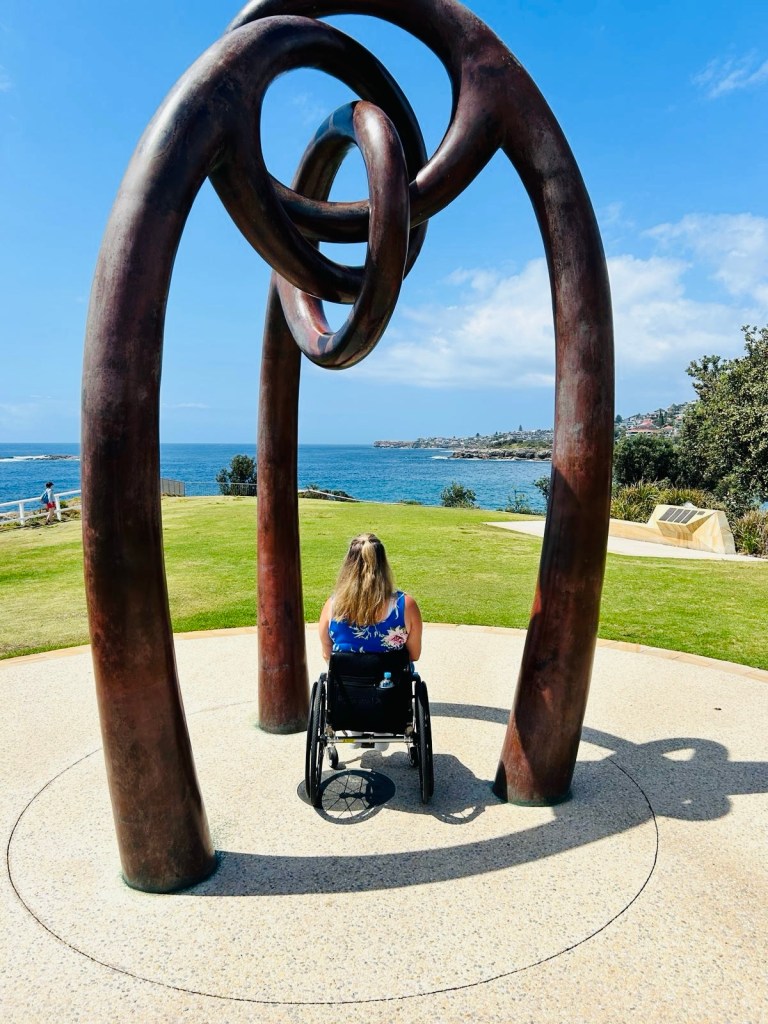
Forged in the Fire
I am no longer afraid of the next mountain or the next hiccup in the road. Why? Because I know the climber.
Every scar, every hospital stay, and every forced reset has been a classroom. They stripped away the noise and left behind a version of me that cannot be easily shaken. I know my resilience because I have proven it time and time again since 2007. I know my worth, and I know my purpose.
The challenges didn’t defeat me—they defined my strength. I am battle-tested, I am anchored in gratitude, and whatever comes next, I know without a doubt that I will rise to meet it.
I Have My Own Back
At the end of the day, people will come and go, environments will change, and new obstacles will appear. But there is one person who has been there for every single second of this journey since 2007: me.
I have realised that the ultimate form of survival is loving myself enough to always have my own back.
Having your own back means refusing to be your own worst critic when you slip. It means being the one who cheers the loudest for your own micro-wins, and the one who gently catches you when you take those inevitable two steps backward. It means looking into the mirror on the darkest, heaviest days and promising yourself, “I will not abandon you here.”
No matter how many times the terrain shifts, and no matter how many times I find myself sitting at the bottom of a new peak, I know I am safe. I am safe because I trust the myself. I love myself enough to always have my own back, to lock my brakes, take a deep breath, and start again.

