
The Healing Threshold: From Medical Trauma to Reclaiming My Chair
For months, I told myself it was just a small cut.
It was 2016 when I first noticed it. Living with a spinal cord injury means your relationship with your body changes, but back then, I was completely naive to what a tiny break in the skin could actually mean. I didn’t know about the hidden depths of pressure wounds. I didn’t understand how a surface mark could mask severe tissue damage underneath.
That ignorance ended in an emergency room, followed by a major surgery that shattered me. I wasn’t just physically broken; I was emotionally traumatised by the clinical coldness, the sudden loss of control, and the sheer terror of the procedures. When the hospital doors finally closed behind me, I promised myself I would never go back.
But pressure wounds are relentless. Over the following years, the area continued to break down. I was stuck in a grueling, heartbreaking cycle of living life on and off bedrest—staring at the ceiling for weeks, waiting for it to close, only for it to re-open the moment I tried to live my life.

Logically, I knew I needed expert help. But the thought of returning to the spinal cord injury unit triggered a deep, paralyzing panic. The hospital trauma was too heavy to carry back into the building that caused it. So, I hid. I managed it myself. I survived, but I wasn’t thriving.
Facing the Trauma
Healing the wound on my body required first healing the wound in my mind. It took years of intense soul-searching, tears, and professional therapy to unpack the medical trauma. I had to learn that protecting myself didn’t mean avoiding the doctors; it meant finding the strength to face them on my own terms.
Finally, I took the leap. I booked the appointment and went back to the spinal unit.
When the specialized team finally looked at the area, the reality hit home. The wound was awful. Seeing the concern on their faces was a bittersweet moment—it validated the quiet agony I had been living through, but it also meant my worst fear was realized. I needed surgery again.
The Reality of the Wait: A Systemic Failure
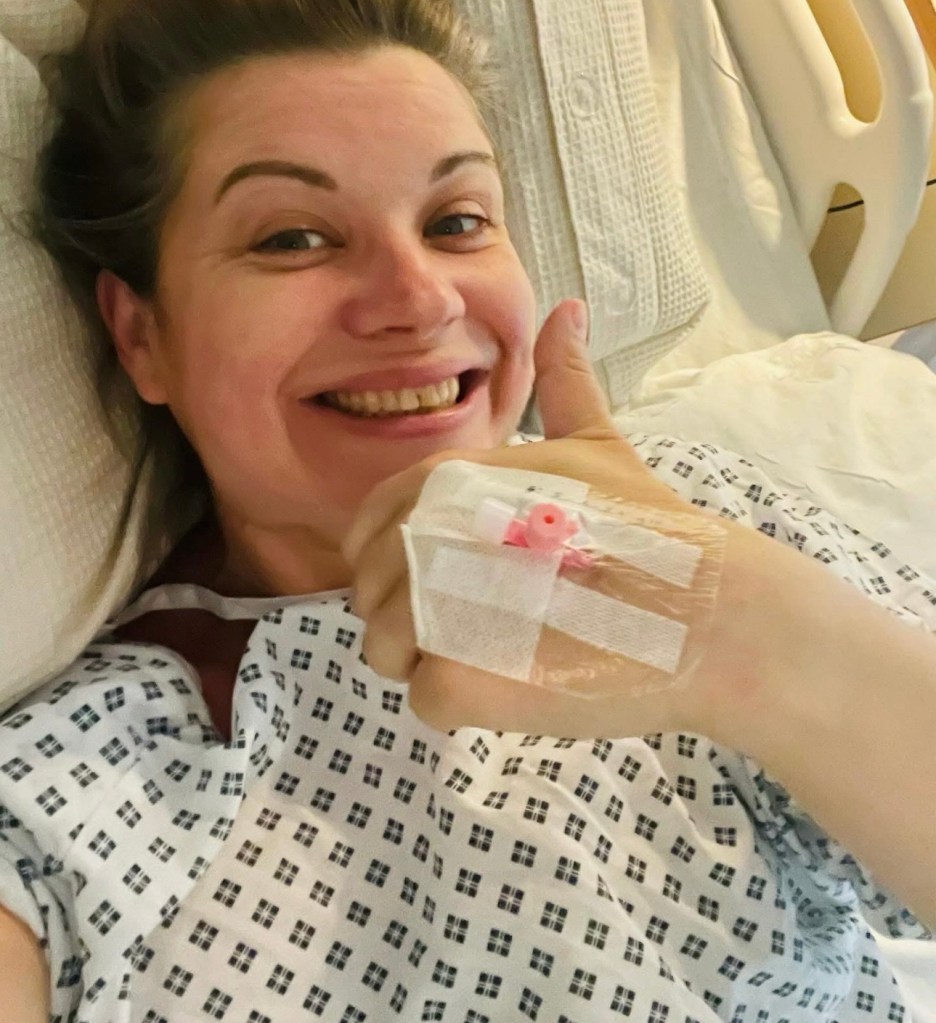
When the spinal unit told me I needed surgery, the clock started ticking. I ended up waiting four months. To anyone outside the spinal cord injury community, four months sounds like an eternity to live with an open, severe wound.
But inside this community, we know the grim truth: I was actually one of the “lucky” ones.
The reality of dealing with pressure wounds within the NHS is a quiet crisis. Because these injuries are often classified as chronic management issues rather than immediate life-or-death emergencies, they are routinely pushed down the priority list. Plastic surgery lists are packed, beds are scarce, and the specialized care required for spinal patients means our options are limited.
Lots of people wait even longer—sometimes many months or even years—confined to bedrest, watching their lives slip away while waiting for a theatre slot. It feels like a fundamental misunderstanding of how dangerous and destructive these wounds truly are, not just to our bodies, but to our mental health. Waiting four months wasn’t just a gap in time; it was a daily mental battle against despair.
The Total Loss of Independence
When you have a spinal cord injury, you work incredibly hard to rebuild your life, your independence, and your routine. A pressure wound changes everything in a second. It is completely debilitating, entirely halting any quality of life you have fought so hard to achieve.
Suddenly, you aren’t just dealing with a medical issue; you are trapped. You are forced onto strict bedrest, staring at the same four walls for weeks or months on end. The things that keep you mentally healthy and connected to the world simply vanish:
- No working or going to your job.
- No socializing with friends or family.
- No hobbies, sports, or outdoor activities.
- No freedom to just get up and move.
Your world shrinks down to the size of a mattress. The sheer physical restriction takes a massive toll on your mental health, making the wait for NHS surgery feel even more punishing. You aren’t just waiting for a physical repair—you are waiting to get your actual life back.
The Euphoria of the Flap—And the Sudden Shattering
In 2024, I finally had the surgery: a complex procedure called a flap surgery.
After years of trauma, bedrest, and waiting, the success of that operation felt like a miracle. My life was completely refreshed. I was finally back in my wheelchair, out in the world, and genuinely living again. The dark cloud of the last few years felt like it was clearing. I hit the 20-month mark post-surgery, and mentally, I breathed a sigh of relief. I genuinely thought I was in the clear. I thought this chapter of my life was closed.
Then came February of this year. Out of nowhere, the scar line where the wound used to be broke down.
I want to be completely clear about this: the breakdown was absolutely not my fault. As the doctors explained to me, scar tissue is incredibly fragile, and sometimes, a breakdown is just something that can happen despite your absolute best efforts.
Trusting the Team: Choosing Bedrest Over Surgery
When I saw the medical team this time, things were different. Based on the situation, it was actually the doctors’ decision that another surgery was not the right move. They felt strongly that the best path forward for my body was to heal it on my own through strict, dedicated bedrest.
It has been a grueling journey. Following their directive, I have spent the last six and a half months strictly confined to bedrest. But I haven’t been alone. I turned to the community nursing team, and the District Nurses who came to my home have been absolutely amazing. Together, we tackled the reality of what this breakdown had caused: a gaping pressure wound that was 7 cm deep.
To give my body the best chance, we used a VAC (Vacuum-Assisted Closure) pump. Living attached to a machine that applies constant negative pressure to a wound is no easy feat. It is loud, it is restrictive, and it is a constant reminder of your vulnerability. But week by week, change by change, that pump and the dedicated hands of those nurses have been working to pull my skin back together from the inside out.
The Blueprint for Healing: Mind, Body, and Absolute Discipline
Healing a wound this deep from home isn’t a passive act; it is a full-time job. I knew that to fulfill the doctors’ plan, I had to listen to everything the nurses said without compromise. [1]
For over half a year, I have not gotten out of bed. I haven’t put a shred of pressure on the area. I haven’t even sat up. My entire world has been experienced whilst laying strictly on my sides or on my front.
But I quickly realized that physical restriction can easily breed mental rot if you let it. To survive this marathon, I had to actively build a healthy, healing environment around me. I turned to journaling to process the heavy emotions and daily meditation to keep my nervous system calm.
I also treated my nutrition as medicine. Pressure injuries are incredibly demanding on the metabolism—your body essentially burns through energy trying to rebuild tissue from the inside out. To fuel that repair, I drastically upped my daily water intake and increased my calories. Most importantly, I packed my diet with extra protein to give the VAC pump the raw materials it needed to knit my skin back together.
The Power of Your Village: Why Support Matters
While the District Nurses provided the clinical expertise, I could not have survived these past six and a half months without my incredible support network of family and friends.
When your world shrinks to the size of a mattress, isolation is your biggest enemy. Having people who check in, who sit with you in the quiet moments, and who remind you of the world outside is vital. It goes to show how profoundly important it is to have a strong support system around you, especially during times of extreme vulnerability, mental exhaustion, and extended isolation. Healing is never a solo journey. My name might be on the medical file, but this closure belongs to my friends and family just as much as it belongs to me. [1, 2]
The Reward of Discipline: Healed and Closed
As of exactly three days ago, I was given the ultimate news. The words I have been praying to hear for over half a year: the wound has officially healed and closed. I have finally been given the go-ahead to start sitting up again.
When the medical team looked at the progress, they were completely blown away. Everyone is incredibly impressed by how “quickly” it has all happened.
But if I am being completely honest, it doesn’t feel quick to me.
To the outside world, six and a half months is a blurb in a medical file. To me, it was thousands of hours spent staring at walls, refusing to move, fighting off dark thoughts, forcing down extra calories, and living in total physical limbo. It didn’t happen fast; it happened because I chose to be a fully active participant in the doctors’ plan.
It happened because I was compliant. I was dedicated. I listened to the nurses, I nourished my cells, and I protected my peace. This closure isn’t a medical fluke—it is proof of what happens when you treat your mind and body with the respect they deserve.
Rebuilding the Balance: One Hour at a Time
Hearing the words “healed and closed” was a massive victory, but the transition back to real life is its own unique hurdle. Right now, I am allowed back in my chair for just an hour or so a day, building my tolerance up very slowly.
I won’t sugarcoat it: it is incredibly uncomfortable.
After living on my sides and front for over half a year, my body feels incredibly tight, stiff, and completely wonky. My muscles are protesting, and my posture feels entirely out of alignment. Sitting upright feels completely alien against gravity.
But I am not discouraged. Just as I knew my skin would heal with the right care, I know my body will adapt to this new phase, too. This discomfort is temporary. I am playing the long game.
I am doing the work now so that I can have my adventures again. Step by step, hour by hour, I will get my alignment back. I will find my balance. And soon, I will be out there living my life to the absolute fullest in my wheelchair once again.


Sorry you had to go through this. Glad you came through it with support and now can talk about it, to support others.