
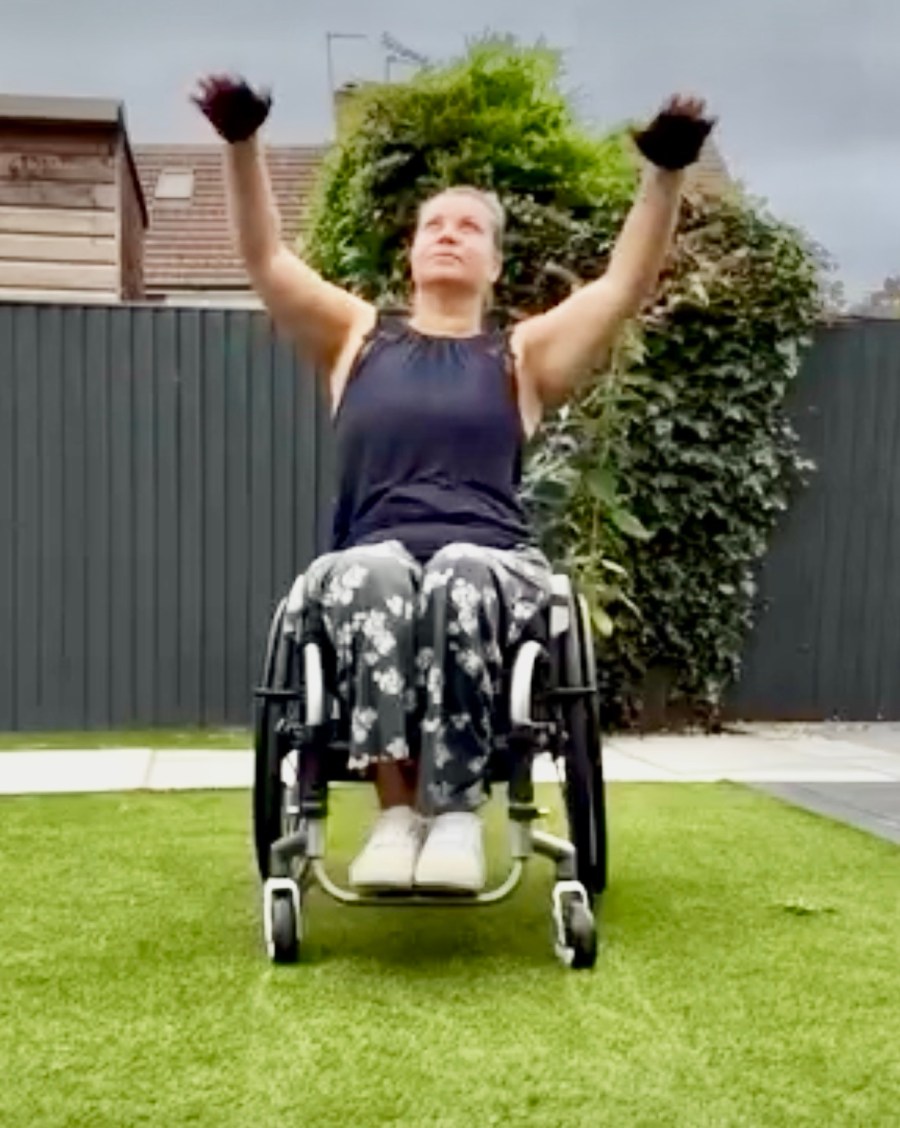
It is no secret that this past year has thrown some of the absolute toughest health challenges my way. After spending 6.5 long months on bedrest, my body—and honestly, my mind—felt completely drained.
When you are a full-time wheelchair user, your baseline is already unique, but spending over half a year confined to a bed changes the game entirely.
I am now three months out of bedrest, and I want to be completely honest with you: it has not been the easy-breezy comeback I naively imagined it would be. It has been both mentally and physically gruelling, and I am nowhere near where I want to be.
Right now, the uphill battle is very real. I am doing everything “right”—I count my calories, I carefully watch my food intake, and I aim to complete my routines and workouts whenever my body allows. Yet, it still feels like a constant cycle of one step forward and three steps back. Even sitting upright for extended periods can still feel like running a marathon.
If you are in the thick of a slow recovery and feeling frustrated by your progress, please know you are not alone. Rebuilding physical capacity from absolute zero is deeply challenging, and the mental toll of wanting to do more than your body can handle is exhausting.
Yet, beneath the frustration, I am realising something vital: there is quiet power in this process. Even when it feels like nothing is happening, this slow, stubborn season is teaching me to be truly present with myself, to tune into my body, and to listen to what I actually need to build my health back up—one day at a time.
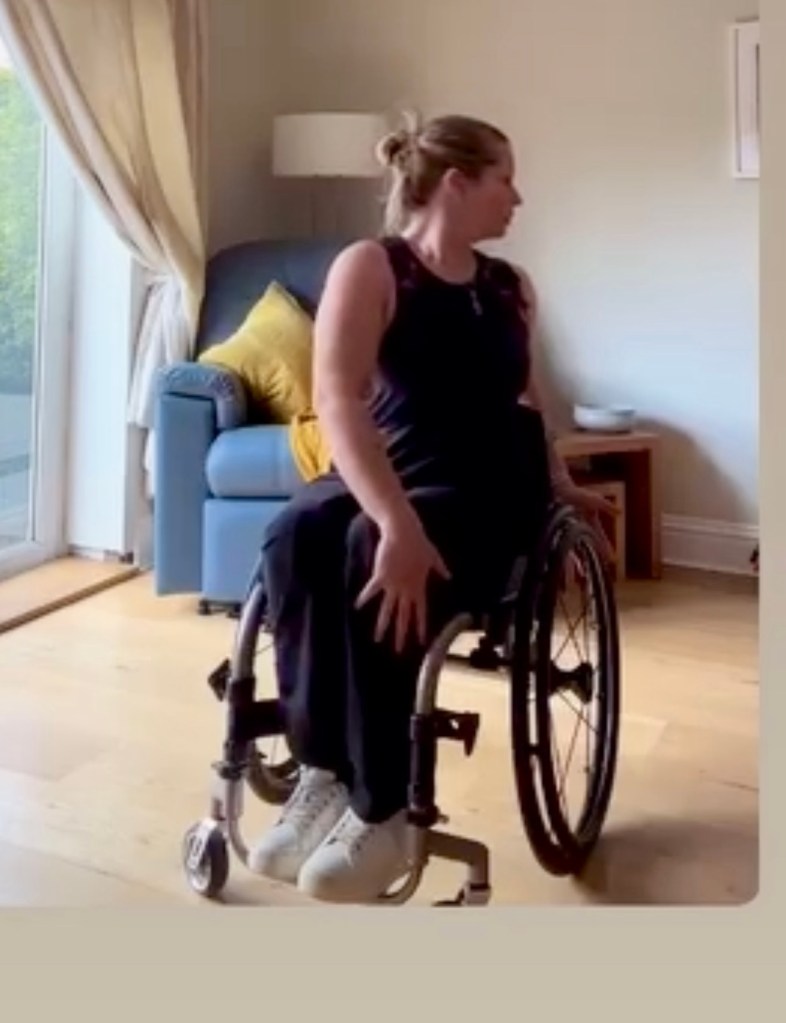
Here is how I am navigating this messy, non-linear comeback, and how you can approach yours, too.
1. Embracing a Day-by-Day Mindset
The hardest reality check in recovery is accepting that healing is never a straight line. I might start a Monday morning with the absolute best of intentions, ready to tackle my workouts and hit my nutrition goals, only for my body to have completely different ideas by Tuesday. A sudden wave of crushing fatigue, an unexpected illness, or a dreaded UTI can bring everything to a screeching halt and wipe out weeks of hard-earned progress.
I have had to unlearn the toxic “keep pushing no matter what” fitness culture. True strength right now isn’t about forcing my body through a routine when it is screaming at me to stop, or beating myself up when the scales or my stamina don’t budge. It is about meeting myself exactly where I am on that specific day, offering myself time and grace, and truly listening to what my body is asking for. Resting when I need it is just as productive as exercising.
2. Matching the Movement to My Energy
Three months in, I have stopped trying to force a rigid weekly schedule and started matching my movement to the capacity I actually wake up with:
- On the Good Days: When my energy is up and my body feels ready, I lean into harder, faster workouts. Getting my heart rate up, feeling my breath flowing, and pushing my upper-body stamina reminds me of what I am capable of building back towards.
- On the Slower Days: When fatigue, pain, or recovery takes over, I pivot completely. Instead of doing nothing or feeling guilty, I lean into gentle, easy Qigong and adaptive yoga movements. Slow, flowing arm movements paired with mindful breathing keep my joints mobile, soothe my nervous system, and honour where my body is at without draining my battery
3. Shifting the Focus from “Workout” to “Tolerance”
Beyond traditional exercise, I have realised that one of my biggest hurdles isn’t just muscle size; it’s orthostatic tolerance (my body’s ability to handle being upright) and pure stamina.
- The Goal: Focus on sitting stamina and daily energy management first. If you can only manage a short window in your chair before needing to recline or rest, respect that boundary.
- The Action: Celebrate the small extensions of time. Getting your cardiovascular system used to gravity again after months horizontal is a massive victory in itself, even when it feels invisible.
4. Gentle Stretches & Isometric Holds for Low-Battery Days
On the days when even a slow Qigong flow feels like too much, simple stretches and isometric holds—where you gently tense a muscle without moving the joint—are brilliant for maintaining a connection with your body.
- Gentle Neck & Shoulder Stretch: Slowly drop your ear toward one shoulder to release tension from sitting upright, hold for a few deep breaths, and switch sides.
- Scapular Retractions: Pull your shoulder blades back and down as if you are trying to hold a pen between them. This helps rebuild the upper back posture needed for proper pushing mechanics.
- Core Bracing (or Deep Belly Breathing): If you have core activation, gently draw your belly button toward your spine; if not, focus on slow, deep diaphragmatic breaths to engage your upper trunk and calm your nervous system.
5. Building Strength with Resistance Bands
On the days when my energy allows for focused strength work, I use resistance bands alongside my cardio sessions. They are much safer, more versatile, and more forgiving than free weights during a bumpy recovery.
- Chest Press: Wrap a light band around the back of your wheelchair and push forward.
- Seated Row: Anchor a band to a secure point in front of you (like a heavy door handle or a stable table leg) and pull your elbows back.
- Bicep Curls: Secure the band under your footplates or chair frame and curl upward.
The Golden Rule: The 24-Hour Check
Because things change so rapidly from day to day, learning to listen to my body means paying close attention to delayed reactions. I rely heavily on the 24-Hour Rule to gauge how I am doing:
- If you do a harder workout today, how do you feel tomorrow?
- Light muscular fatigue is normal.
- However, if you feel deep joint pain, nerve burning, extreme dizziness, or a level of exhaustion that triggers a flare-up, your body is telling you that you pushed a little too far. Scale it back to gentle yoga or rest next time, without any guilt.
Grace, Presence, and Tiny Wins
Three months out of bedrest, I am learning that regaining strength after 6.5 months flat on my back is a gruelling marathon, not a sprint. It is frustrating when you are putting in the work with your diet, your cardio, and your mindset, yet your body still feels like heavy lead on the tough days. There will be weeks when a minor infection sets you back a fortnight, and days when you finally feel that brilliant rush of your heart pumping and your old strength returning. Every single one of those days is part of the process.
Q
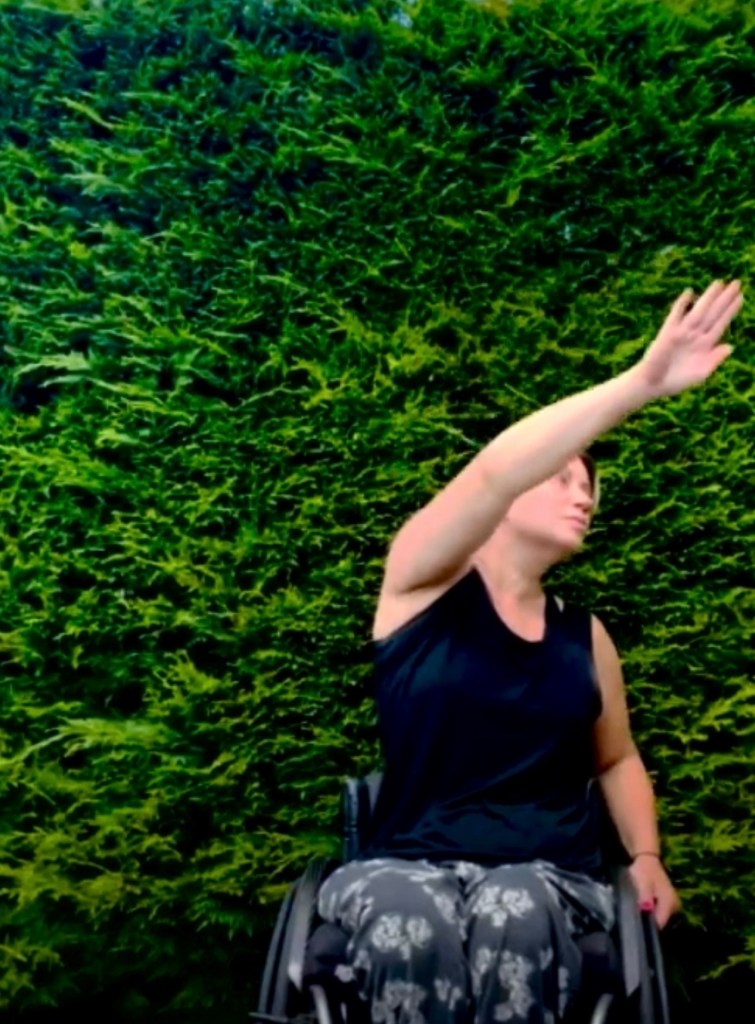
There is immense power in slowing down enough to truly be present with your body. Your body went through a massive battle this year, and it survived. Rebuilding is an act of stubborn love, patience, and deep listening—so even when it feels like one step forward and three steps back, give yourself time, offer yourself grace, and keep building your health one single day at a time.

